Complete Guide to Financing Property Purchase in Bali (2026)
Comprehensive guide to mortgages, loans, and financing options for foreigners buying property in Bali
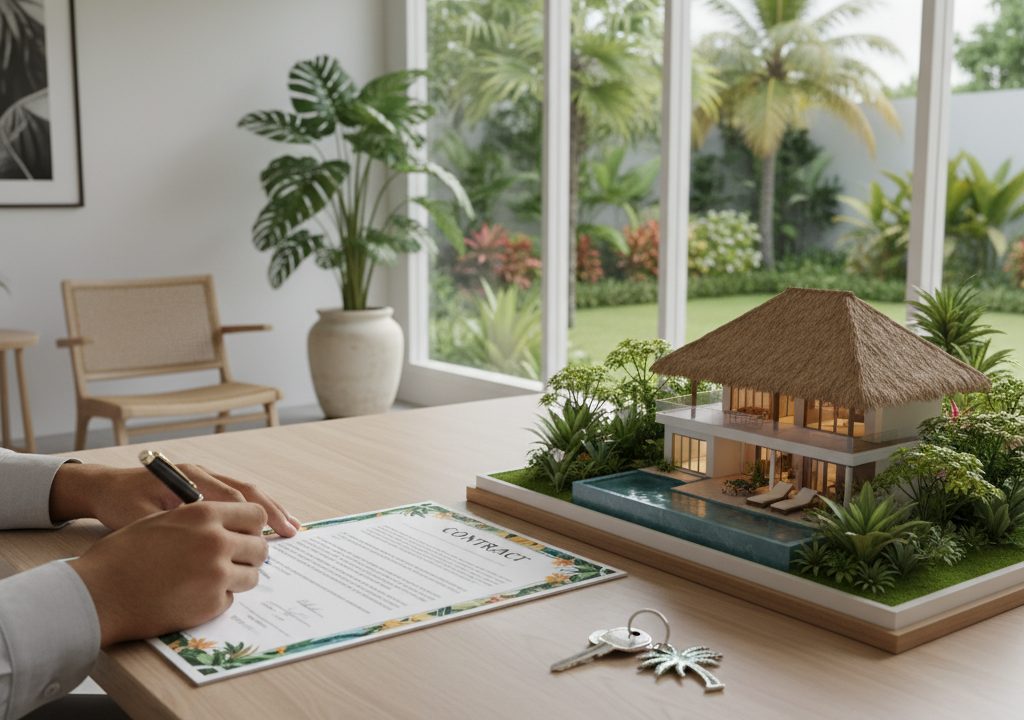
Financing a property purchase in Bali as a foreigner requires careful planning and understanding of the available options. While Indonesian banks have traditionally been conservative in lending to non-residents, the market has evolved significantly, offering multiple pathways to finance your Bali dream property.
This comprehensive guide covers everything you need to know about financing property in Bali in 2026, from Indonesian bank mortgages to international financing solutions and alternative funding options. Whether you're looking to purchase a villa, apartment, or land under a leasehold agreement, understanding your financing options is crucial for making an informed investment decision.
Indonesian Banks Offering Foreigner Loans
Several Indonesian banks now offer mortgage products specifically designed for foreign nationals, though requirements and terms vary significantly. Here are the primary institutions offering financing to foreigners in 2026:
Major Banks for Foreign Borrowers
1. HSBC Indonesia
- Specialization: Premier foreign national mortgages
- Minimum loan: USD 100,000
- Maximum LTV: 70% for foreigners
- Tenure: Up to 15 years
- Requirement: HSBC Premier relationship or equivalent
2. Standard Chartered Indonesia
- Specialization: Expat and foreign investor mortgages
- Minimum loan: USD 75,000
- Maximum LTV: 65% for non-residents
- Tenure: Up to 20 years
- Requirement: Priority Banking status
3. Citibank Indonesia
- Specialization: High-net-worth individual mortgages
- Minimum loan: USD 150,000
- Maximum LTV: 60% for foreigners
- Tenure: Up to 15 years
- Requirement: Citigold relationship
4. DBS Indonesia
- Specialization: Regional expat mortgages
- Minimum loan: USD 80,000
- Maximum LTV: 70% for ASEAN residents
- Tenure: Up to 18 years
- Requirement: Treasures relationship or regional income proof
5. Bank Mandiri (Limited Programs)
- Specialization: KITAS holders with Indonesian employment
- Minimum loan: IDR 500 million (approx. USD 32,000)
- Maximum LTV: 70% for employed expats
- Tenure: Up to 15 years
- Requirement: Indonesian work permit and local employment contract
Important Note: All Indonesian banks require that foreign borrowers establish a relationship with the bank, typically requiring private banking or premier banking status. This often involves maintaining minimum balances of USD 50,000 to USD 200,000 depending on the institution.
Loan-to-Value Ratios and Down Payments
Loan-to-Value (LTV) ratios determine how much you can borrow relative to the property's value. For foreign borrowers in Bali, LTV ratios are generally more conservative than for Indonesian nationals.
Typical LTV Ratios in 2026
| Borrower Type | Maximum LTV | Minimum Down Payment |
|---|---|---|
| Indonesian Nationals | 80-90% | 10-20% |
| KITAS Holders (Employed) | 70-75% | 25-30% |
| Foreign Residents (KITAS) | 65-70% | 30-35% |
| Non-Resident Foreigners | 50-65% | 35-50% |
| Leasehold Properties | 40-60% | 40-60% |
Factors Affecting LTV Ratios:
- Property Type: Apartments typically receive higher LTV than villas or land
- Location: Properties in prime areas (Seminyak, Canggu, Ubud) may qualify for higher LTV
- Title Type: Hak Pakai and Hak Guna Bangunan receive better terms than leasehold
- Lease Duration: Leasehold properties with 25+ years remaining may receive up to 60% LTV
- Developer Reputation: Properties from established developers may qualify for better terms
- Borrower Profile: Higher net worth and banking relationships improve LTV offers
- Income Verification: Documented stable income improves maximum LTV
Down Payment Reality Check
While some banks advertise LTV ratios up to 70%, in practice most foreign borrowers receive 60-65% LTV for their first property financing in Indonesia. Plan to have at least 40% of the purchase price available as a down payment, plus an additional 10-15% for closing costs, fees, and contingencies.
Interest Rates for Foreign Borrowers
Interest rates for foreign borrowers in Indonesia are significantly higher than rates offered to Indonesian nationals, reflecting the perceived higher risk and limited recourse for cross-border lending.
Current Interest Rate Ranges (2026)
Indonesian Bank Mortgages for Foreigners
- Fixed Rate (1-3 years): 8.5% - 10.5% per annum
- Fixed Rate (5 years): 9.0% - 11.0% per annum
- Variable Rate: 8.0% - 12.0% per annum (typically BI Rate + 5-7%)
- Premier Banking Clients: May receive 0.5-1.0% discount
For Comparison: Indonesian National Rates
- Fixed Rate: 6.0% - 8.0% per annum
- Variable Rate: 5.5% - 9.0% per annum
- Subsidized Programs: As low as 3.0% - 5.0% per annum
Developer Financing
- In-House Financing: 0% - 6.0% per annum (promotional)
- Standard Developer Terms: 8.0% - 12.0% per annum
- Deferred Payment Plans: Often 0% for first 12-24 months
International Mortgages
- Singapore Banks: 5.5% - 8.0% per annum (for qualifying assets)
- Australian Bridging Loans: 7.0% - 12.0% per annum
- Private International Lenders: 9.0% - 15.0% per annum
Rate Structure Options:
- Fixed Rate Mortgages: Interest rate locked for initial period (1-5 years), then converts to variable rate. Provides payment certainty but typically 0.5-1.5% higher than variable rates. Recommended for borrowers prioritizing budget stability.
- Variable Rate Mortgages: Interest rate fluctuates with Bank Indonesia reference rate plus margin. Lower initial rates but subject to market changes. Can be advantageous if rates decrease but risky if rates rise significantly.
- Hybrid Mortgages: Fixed rate for 3-5 years, then variable. Combines initial stability with potential for lower long-term costs. Popular choice among foreign borrowers.
- Tiered Rate Mortgages: Graduated rates that start low and increase over time. Often used in developer financing to make initial payments more affordable. Requires careful cash flow planning.
Interest Rate Negotiation Tips
- Establish premier banking relationship before applying (can reduce rate by 0.5-1.0%)
- Provide comprehensive financial documentation to demonstrate creditworthiness
- Consider larger down payment to reduce lender risk (50%+ down payment may improve rate)
- Compare offers from multiple banks - use competing offers as negotiation leverage
- Consider timing - banks may offer promotional rates during slow periods
- Bundle other banking services (investments, deposits) for better mortgage terms
- Work with experienced mortgage brokers who have bank relationships
Required Documentation
Indonesian banks require extensive documentation from foreign borrowers. Being well-prepared with all necessary documents can significantly expedite the approval process.
Complete Documentation Checklist
Personal Identification
- Valid passport (minimum 18 months validity)
- KITAS/KITAP (if applicable) - residence permit
- Current visa documentation
- Proof of current address (utility bill, rental agreement)
- Indonesian tax identification number (NPWP) if you have one
- Marriage certificate (if applicable)
- Spouse identification and consent letter (if married)
Income and Employment Verification
- Employment letter from current employer (on company letterhead)
- Employment contract or offer letter
- Last 6 months of payslips or salary statements
- Last 2-3 years of tax returns (home country and Indonesia if applicable)
- Last 6-12 months of bank statements (all accounts)
- Business registration and financial statements (if self-employed)
- Audited accounts for last 2-3 years (for business owners)
- Proof of other income sources (rental income, investments, dividends)
Asset and Wealth Documentation
- Investment portfolio statements
- Property ownership documents (other properties owned)
- Fixed deposit certificates
- Share certificates or equity holdings
- Retirement account statements
- Trust documentation (if applicable)
- Gift letter (if down payment is gifted by family)
Property Documentation
- Sale and purchase agreement (SPA)
- Property title certificate (will be held by bank as collateral)
- Land certificate (sertifikat tanah)
- IMB (building permit) - Izin Mendirikan Bangunan
- Property valuation report (from bank-approved appraiser)
- Developer credentials and company registration (for new properties)
- Lease agreement (for leasehold properties)
- Strata title documentation (for apartments/condos)
- Building inspection report
- Property tax receipts (PBB - Pajak Bumi dan Bangunan)
Credit and Financial History
- Credit report from home country (translated to English if needed)
- Indonesian credit report (if you have credit history in Indonesia)
- Letter of good standing from current bank
- Reference letters from professional contacts
- Existing loan documentation (mortgages, car loans, etc.)
- Credit card statements (last 6 months)
Additional Requirements
- Completed mortgage application form
- Personal financial statement (assets and liabilities)
- Business plan (if property will generate rental income)
- Insurance quotations (property and life insurance)
- Letter of intent explaining purpose of purchase
- Exit strategy documentation (how you plan to repay if circumstances change)
- Legal opinion from Indonesian lawyer (some banks require)
Document Translation and Certification
All foreign-language documents must be translated into English or Bahasa Indonesia by a certified translator. Some banks also require notarization or apostille certification for critical documents like marriage certificates, tax returns, and property ownership documents from overseas.
Budget for translation and certification costs: USD 500 - 1,500 depending on document volume.
Pro Tips for Documentation
- Start gathering documents 2-3 months before applying
- Make color copies of everything and organize in labeled folders
- Create a digital backup of all documents (scan or photograph)
- Ensure all financial statements show consistent information
- If self-employed, work with an accountant to prepare professional statements
- Update bank statements monthly if application process extends
- Keep original documents safe - banks may require originals for verification
- Work with a local attorney or facilitator who understands bank requirements
Application Process and Timeline
The mortgage application process for foreign borrowers in Indonesia is typically longer and more complex than for local borrowers. Understanding the timeline helps you plan your purchase accordingly.
Typical Timeline: 8-16 Weeks
Week 1-2: Pre-Qualification and Bank Selection
- Initial consultation with banks or mortgage brokers
- Preliminary financial assessment
- Pre-qualification letter (non-binding estimate)
- Compare offers from multiple institutions
- Select preferred lender
Week 2-4: Document Collection and Preparation
- Gather all required documentation
- Translate and certify foreign documents
- Property valuation commissioned
- Legal due diligence on property title
- Complete formal application forms
Week 4-6: Formal Application Submission
- Submit complete application package
- Pay application fees (typically USD 500-1,500)
- Bank assigns relationship manager
- Initial review and completeness check
- Request for additional information (if needed)
Week 6-10: Credit Assessment and Underwriting
- Credit checks (local and international)
- Income and employment verification
- Property valuation review
- Risk assessment and scoring
- Underwriting committee review
- Possible request for supplementary information
- Preliminary approval or decline decision
Week 10-12: Formal Approval and Offer
- Formal approval letter issued
- Loan terms and conditions finalized
- Interest rate locked (if applicable)
- Review and negotiate terms
- Accept formal offer
Week 12-14: Legal Documentation and Insurance
- Loan agreement preparation
- Security documentation (mortgage over property)
- Property insurance arrangement
- Life insurance arrangement (often mandatory)
- Legal review of all documents
- Sign preliminary agreements
Week 14-16: Final Settlement and Disbursement
- Transfer down payment to escrow
- Final document signing at notary
- Title transfer and registration
- Mortgage registration with land office
- Loan disbursement to seller
- Receipt of property keys and documents
- First mortgage payment due (typically 30 days after disbursement)
Factors That Can Extend Timeline
- Complex income sources: Self-employed or multiple income streams require additional verification (+2-4 weeks)
- Property issues: Title problems, pending permits, or unclear ownership (+2-8 weeks)
- International credit checks: Verification from certain countries can be slow (+1-3 weeks)
- Document translation: Large volumes of foreign documents (+1-2 weeks)
- Bank workload: Peak application periods or staff holidays (+1-3 weeks)
- Leasehold properties: Additional legal review required (+2-4 weeks)
- Multiple borrowers: Joint applications with spouses or partners (+1-2 weeks)
Expediting Your Application
- Submit complete, organized documentation from the start
- Establish banking relationship before applying (premier/private banking)
- Use experienced mortgage broker with bank connections
- Ensure property has clear title and all permits before applying
- Respond immediately to all bank requests for information
- Consider pre-approval before finding specific property
- Have lawyer review documents before submission to catch issues early
- Maintain regular communication with relationship manager
Developer Financing Options
Many property developers in Bali offer in-house financing as an alternative to bank mortgages. Developer financing can be more accessible for foreigners, though terms vary significantly.
Types of Developer Financing
1. Deferred Payment Plans
Pay purchase price in installments over construction period (12-36 months)
- Typical structure: 30% down, 70% in monthly/quarterly installments
- Interest: 0% - 6% per annum (often promotional 0% for first 12-24 months)
- Term: Usually matches construction timeline
- Advantage: No bank approval needed, flexible requirements
- Risk: Full payment required by handover date
2. Extended Developer Mortgages
Long-term financing directly from developer (5-15 years)
- Typical structure: 30-40% down, remainder financed
- Interest: 8% - 12% per annum
- LTV: 60-70%
- Term: 5-15 years
- Advantage: Easier approval, title can be transferred earlier
- Risk: Higher interest than bank mortgages, developer must remain solvent
3. Rent-to-Own Programs
Lease property with option to purchase, rental payments credited toward purchase
- Typical structure: 10-20% initial, monthly "rent" for 3-7 years
- Purchase credit: 50-100% of rent payments applied to purchase price
- Term: 3-7 years
- Advantage: Lower initial capital, try before buying
- Risk: May pay premium over market price, lose credits if you don't complete purchase
4. Partnered Bank Programs
Developer arranges preferential terms with partnered banks
- Typical structure: Standard bank mortgage with developer guarantee
- Interest: 7% - 10% per annum (better than standard foreigner rates)
- LTV: Up to 70-75%
- Advantage: Better rates, streamlined approval, developer handles process
- Requirement: Still need to meet bank's credit criteria
Real Developer Financing Examples (2026)
Premium Villa Development - Canggu
Property: USD 450,000 two-bedroom villa
- Option 1: 30% down (USD 135,000), 70% over 24 months at 0% interest
- Option 2: 40% down (USD 180,000), 60% financed over 10 years at 8.5%
- Monthly payment (Option 2): USD 2,195
Apartment Complex - Seminyak
Property: USD 250,000 one-bedroom apartment
- Structure: 35% down (USD 87,500), 65% over 7 years at 9%
- Partnered with: Bank Mandiri for qualifying buyers
- Monthly payment: USD 2,380
- Bonus: 2 years property management included
Budget Development - Ubud
Property: USD 180,000 studio with garden
- Rent-to-own: USD 30,000 down, USD 1,500/month for 60 months
- Purchase credit: 80% of rent applied to purchase
- Total cost: USD 120,000 (USD 30k + USD 90k credited from rent)
- Remaining balance: USD 60,000 due at end of term
Developer Financing: Pros and Cons
Advantages
- Easier approval process
- Less documentation required
- Faster processing (2-4 weeks)
- Often 0% promotional periods
- No bank relationship required
- Flexible negotiation possible
- May include furnishings/upgrades
Disadvantages
- Higher interest rates (8-12% vs 8-10% bank)
- Shorter terms (5-10 years vs 15-20 years bank)
- Developer solvency risk
- Limited regulatory protection
- Often includes price premium
- Penalties for early exit can be harsh
- Less flexibility to refinance
Due Diligence for Developer Financing
- Developer track record: Research completed projects, delivery timeline, quality
- Financial stability: Check developer's financial health and reputation
- Legal review: Have lawyer review financing agreement thoroughly
- Exit clauses: Understand penalties for early payment or defaulting
- Title transfer: Clarify when title transfers (immediately or after full payment)
- Hidden costs: Watch for maintenance fees, service charges starting before handover
- Comparison: Always compare developer financing to bank mortgage costs
International Bank Loans
Some foreign buyers secure financing from banks in their home country or international financial centers. This approach offers advantages but comes with unique challenges.
Singapore Bank Loans
Singapore banks offer the most sophisticated international mortgage products for Bali property purchases, particularly for high-net-worth individuals.
DBS Private Bank - Asia Property Loans
- Eligibility: DBS Treasures Private Client (USD 350k+ AUM)
- LTV: Up to 70% against Singapore property, 50% against Bali property
- Interest: 5.5% - 7.5% per annum
- Term: Up to 20 years
- Minimum loan: SGD 500,000 (USD 370,000)
- Structure: Secured against Singapore assets or cross-collateralized
UOB Private Bank - Regional Property Financing
- Eligibility: UOB Privilege Banking (USD 200k+ deposits)
- LTV: Up to 60% for ASEAN properties
- Interest: 6.0% - 8.0% per annum
- Term: Up to 15 years
- Minimum loan: SGD 300,000 (USD 220,000)
- Advantage: Multicurrency options (SGD, USD)
OCBC Premier Banking - Investment Property Loans
- Eligibility: Premier Banking relationship
- LTV: 50-60% for foreign properties
- Interest: 5.8% - 7.8% per annum
- Term: Up to 18 years
- Requirement: Property must generate rental income
Australian Bridging Loans
Australian residents can use bridging loans secured against Australian property to finance Bali purchases.
Major Australian Lenders
- CBA Private Bank, NAB Private, Westpac Private: High-net-worth clients only
- LTV: 70-80% against Australian property value
- Interest: 7.0% - 10.0% per annum
- Term: Typically 12-24 months (short-term bridging)
- Use case: Bridge until you sell Australian property or secure Indonesian financing
Specialist Bridging Finance Providers
- Providers: LaTrobe Financial, Pepper Money, Liberty Financial
- Interest: 8.0% - 12.0% per annum
- Term: 6-24 months
- LTV: Up to 70% of Australian property
- Fees: 1-3% establishment fee, monthly account fees
- Advantage: Fast approval (1-2 weeks), less stringent credit checks
Hong Kong and European Banks
Hong Kong Private Banks
- HSBC Premier, Standard Chartered Priority: USD 1M+ relationship
- Interest: 6.5% - 9.0% per annum
- LTV: 40-60% for foreign properties
- Requirement: Often requires Hong Kong income or assets
Swiss Private Banks
- UBS, Credit Suisse, Julius Baer: Ultra-high-net-worth (USD 5M+ AUM)
- Interest: 4.5% - 7.0% per annum (excellent rates)
- LTV: Up to 50% for exotic properties
- Structure: Lombard loan against investment portfolio
- Advantage: Flexible terms, multicurrency, private banking perks
International Loan Considerations
Currency Risk
If your loan is in SGD, AUD, or other foreign currency while rental income is in IDR or USD, exchange rate fluctuations can significantly impact your actual repayment costs.
Tax Implications
Interest payments on foreign loans may not be tax-deductible in Indonesia. Consult cross-border tax specialist.
Legal Complexity
Security arrangements can be complex when property is in Indonesia but loan is from foreign bank. May require Indonesian legal entity.
Repatriation Rules
Indonesia has capital controls and reporting requirements for large foreign transfers. Work with experienced attorney.
Alternative Financing Solutions
Beyond traditional mortgages and developer financing, several alternative financing methods have emerged, particularly popular among crypto investors and high-net-worth individuals.
Cryptocurrency-Backed Loans
Increasingly popular among crypto holders who want to maintain their crypto positions while accessing liquidity for property purchases.
Centralized Crypto Lenders
- Platforms: Nexo, BlockFi, Celsius Network (verify current operations)
- LTV: 25-50% of crypto collateral value
- Interest: 6% - 15% per annum depending on collateral
- Collateral: BTC, ETH, stablecoins (USDT, USDC)
- Term: Flexible, often no fixed term
- Advantage: No credit check, fast approval (24-48 hours), maintain crypto upside
- Risk: Liquidation if crypto value drops, platform insolvency risk
DeFi Lending Protocols
- Platforms: Aave, Compound, MakerDAO
- LTV: Up to 75% depending on collateral type
- Interest: Variable (currently 3% - 12% APY)
- Collateral: Various crypto assets, stablecoins
- Advantage: Decentralized, transparent, no KYC
- Risk: Smart contract risk, higher liquidation risk, technical complexity
- Note: Requires converting crypto to fiat via exchange
Example: Using Crypto Loan for Bali Villa
- Villa price: USD 400,000
- Down payment needed: USD 160,000 (40%)
- Crypto collateral: USD 400,000 in BTC (40% LTV)
- Loan amount: USD 160,000
- Interest: 8% per annum (USD 12,800/year or USD 1,067/month)
- Benefit: Keep BTC position, potential for appreciation to offset interest
Private Money Lenders
Private lenders and specialized offshore financing companies offer flexible terms but at premium rates.
Characteristics
- Interest: 10% - 18% per annum
- LTV: 50-70% depending on property and borrower
- Term: Typically 1-5 years
- Fees: 2-5% origination fee, possible balloon payment
- Approval: Asset-based rather than credit-based
- Speed: Very fast (1-2 weeks)
When to Consider
- Need funding very quickly (competitive bid situation)
- Don't qualify for traditional financing
- Short-term bridge financing until permanent financing arranged
- Complex cross-border situations
- Privacy concerns (less documentation required)
Seller Financing
In some cases, property sellers may offer financing directly, particularly for off-market or distressed sales.
Typical Terms
- Down payment: 20-40%
- Interest: 6% - 12% per annum
- Term: 3-10 years, often with balloon payment
- Structure: Promissory note with property as collateral
Advantages
- Flexible negotiation on all terms
- Minimal documentation and qualification requirements
- Fast closing
- May accept creative deal structures
- Lower closing costs
Risks and Considerations
- Ensure seller has clear title and right to seller-finance
- Understand why seller is offering financing (distressed? tax strategy?)
- Higher interest rates than bank financing
- Shorter terms may require refinancing or large balloon payment
- Essential to have lawyer draft proper legal agreements
Peer-to-Peer Lending
P2P platforms connect borrowers directly with individual or institutional lenders.
Real Estate P2P Platforms
- Platforms: PeerStreet, Groundfloor, RealtyMogul (check Bali eligibility)
- Interest: 9% - 15% per annum
- LTV: Up to 70%
- Term: 6 months - 5 years
- Minimum: Often USD 50,000 - 100,000
- Note: Most focused on US/UK properties, limited for Indonesia
Alternative Financing Summary Comparison
| Method | Interest | Speed | Best For |
|---|---|---|---|
| Crypto Loans | 6-15% | 1-2 days | Crypto holders |
| Private Lenders | 10-18% | 1-2 weeks | Quick funding needed |
| Seller Financing | 6-12% | 2-4 weeks | Motivated sellers |
| P2P Lending | 9-15% | 2-4 weeks | Alternative to banks |
Cash vs Financed Purchase Comparison
Understanding the true cost difference between cash and financed purchases helps you make an informed decision based on your financial situation and investment goals.
Scenario: USD 500,000 Villa Purchase
Option A: Cash Purchase
Advantages:
- No interest costs
- Full equity from day one
- No monthly obligations
- Stronger negotiating position
- Lower total cost
Disadvantages:
- Large capital outlay
- Opportunity cost of capital
- Lower liquidity
- No leverage benefits
Option B: 60% LTV Financing
Advantages:
- Lower initial capital (USD 240k vs 537k)
- Maintain liquidity
- Leverage investment
- Tax deductions possible
- Preserve capital for other investments
Disadvantages:
- USD 247k in interest costs
- Monthly obligation (USD 3,043)
- Risk of foreclosure
- More complex transaction
Break-Even Analysis with Rental Income
If you plan to rent the property, financing can make sense even with interest costs if rental income covers mortgage payments.
Scenario: Villa with Rental Income
Cash Purchase Returns:
- Gross rental: USD 3,500/month
- Management (20%): -USD 700
- Maintenance: -USD 400
- Taxes & insurance: -USD 300
- Net: USD 2,100/month
- ROI: 4.7% per annum on USD 537k
Financed Purchase Returns:
- Gross rental: USD 3,500/month
- Management (20%): -USD 700
- Maintenance: -USD 400
- Taxes & insurance: -USD 300
- Mortgage payment: -USD 3,043
- Net: -USD 943/month
- Negative cash flow
- But only USD 240k invested
Key Insight:
With financing, you have negative monthly cash flow of USD 943, but you've kept USD 297,000 of capital available for other investments. If you can earn more than 4.7% annually on that capital, financing makes financial sense despite the negative cash flow.
The Opportunity Cost Factor
The USD 297,000 difference between cash and financed purchase initial outlay could potentially generate significant returns if invested elsewhere:
- Conservative (5% annually): USD 14,850/year = USD 222,750 over 15 years
- Moderate (8% annually): USD 23,760/year = USD 508,000 over 15 years (compound)
- Aggressive (12% annually): USD 35,640/year = USD 970,000 over 15 years (compound)
If you can reliably earn 8%+ annually on USD 297k, financing is mathematically superior despite the 9% interest rate on the mortgage.
Tax Implications of Financing
Property financing in Bali has various tax implications for both Indonesian residents and non-residents. Understanding these can significantly impact your overall costs.
Indonesian Tax Considerations
1. BPHTB - Land and Building Transfer Tax
- Rate: 5% of transaction value (or NJOP value, whichever is higher)
- Who pays: Buyer
- When: At purchase/title transfer
- Financing impact: Same whether cash or financed (based on total purchase price)
- Example: USD 500k villa = USD 25,000 BPHTB tax
2. Stamp Duty on Mortgage Documents
- Rate: IDR 10,000 per document (nominal, approximately USD 0.65)
- Applied to: Loan agreement, mortgage deed, insurance policies
- Total impact: Very minimal (under USD 100 typically)
3. PBB - Annual Property Tax
- Rate: 0.1% - 0.3% of NJOP (government-assessed value)
- Financing impact: None - same for cash or financed
- Payment: Annual, due in September
- Example: USD 500k villa = approximately USD 500-1,500/year
4. Interest Deductibility
- For personal use: Mortgage interest is NOT tax-deductible in Indonesia
- For rental/business use: Interest MAY be deductible as business expense
- Requirements: Property must be used for income generation and properly registered
- Documentation: Must maintain proper accounting records
- Foreign owners: Complex - consult Indonesian tax specialist
5. Rental Income Tax (If Applicable)
- For Indonesian tax residents: 10% final tax on gross rental income (simplified)
- For non-residents: 20% withholding tax on rental income
- Alternative: Can opt for progressive rates (5%-30%) if lower
- Deductions: If rental property, mortgage interest may offset rental income
Home Country Tax Implications
Depending on your country of residence and citizenship, owning financed foreign property may have tax implications.
For Australian Residents
- Must declare worldwide income, including Bali rental income
- Foreign income tax offset available for Indonesian taxes paid
- Interest on foreign property loans generally NOT deductible unless property produces income
- Capital gains on foreign property subject to CGT (with possible foreign tax credits)
- FIRB approval may be required for purchases over certain thresholds
For US Citizens and Residents
- Must report worldwide income including foreign rental income
- Foreign tax credit available for Indonesian taxes paid
- Interest on foreign mortgage generally deductible if property produces income
- FBAR reporting required if foreign bank accounts exceed USD 10,000
- Form 8938 (FATCA) may be required
- Sale of foreign property subject to capital gains tax
For UK Residents
- Foreign rental income taxable in UK (can claim foreign tax credit)
- Mortgage interest on foreign property generally not deductible from UK income
- Capital gains tax on property disposal (annual exempt amount applies)
- Non-dom status may provide advantages (consult tax advisor)
For Singapore Residents
- Singapore has territorial tax system - foreign rental income NOT automatically taxable
- Income only taxable if remitted to Singapore
- Significant tax planning opportunities available
- Consider structure and timing of income repatriation
Tax Optimization Strategies
1. Ownership Structure
Consider holding property through:
- Indonesian PT (company): May allow more deductions but complex compliance
- Trust structure: Depends on home country laws, estate planning benefits
- Personal ownership: Simplest but may have higher tax burden
2. Financing Jurisdiction Selection
- Indonesian loan: Interest payments stay in Indonesia, simpler tax treatment
- Foreign loan: May offer interest deductibility in home country, currency diversification
- Consider double tax treaties between Indonesia and your country
3. Timing of Rental Income
- Control timing of rental payments to optimize tax years
- Consider using property management company for formal structure
- Reinvest rental income in Indonesia to defer home country taxation (where applicable)
4. Documentation
- Maintain detailed records of all property-related expenses
- Track mortgage interest payments separately
- Keep evidence of property improvements and maintenance
- Document business purpose for rental properties
Critical Warning
Tax laws regarding foreign property ownership and financing are complex and vary significantly based on:
- Your citizenship and tax residence
- Property use (personal vs rental/investment)
- Ownership structure
- Financing jurisdiction
- Double tax treaties
Always consult with qualified tax advisors in BOTH Indonesia and your home country before purchasing financed property. The information here is general guidance only.
Real Calculation Examples
Let's walk through detailed real-world scenarios to illustrate how different financing options work in practice.
Example 1: Young Professional - Canggu Apartment
Buyer Profile
- Age: 32
- Occupation: Digital marketer (employed, Australian company)
- Income: AUD 120,000/year (USD 78,000)
- Savings: USD 150,000
- Status: KITAS holder (work permit in Bali)
- Goal: Owner-occupied apartment, occasional rental when traveling
Property Details
- Type: 2-bedroom apartment in new development
- Location: Canggu, 10 minutes to beach
- Price: USD 280,000
- Title: Hak Pakai (Right to Use) - 30 years
- Status: Off-plan, completion in 18 months
Financing Solution: Developer Financing
Payment Structure
- Down payment: 30% = USD 84,000
- Construction payments: 70% over 18 months at 0% interest
- Monthly payment during construction: USD 10,889
Total Upfront Costs
Cash Flow Analysis
- Initial cash outlay: USD 108,600
- Monthly payments for 18 months: USD 10,889
- Total paid over 18 months: USD 196,002
- Remaining savings after initial payment: USD 41,400
- Monthly savings required: USD 10,889 (feasible on USD 6,500/month take-home)
Outcome
Success! Developer financing allows entry into market with 30% down. 0% interest during construction makes payments manageable. After 18 months, owns apartment outright with no ongoing mortgage. Can rent occasionally to offset annual property costs. Saved approximately USD 35,000 in interest vs. bank mortgage.
Example 2: Investor Couple - Seminyak Villa Portfolio
Buyer Profile
- Age: 45 & 48
- Occupation: Business owners (Singapore-based tech company)
- Combined income: SGD 500,000/year (USD 370,000)
- Net worth: USD 2.5 million
- Banking: DBS Treasures Private Client
- Goal: Investment property for rental income and appreciation
Property Details
- Type: 4-bedroom luxury villa with pool
- Location: Seminyak, walking distance to beach
- Price: USD 850,000
- Title: Hak Guna Bangunan - 35 years remaining
- Rental potential: USD 5,000-6,000/month
- Current condition: Completed, move-in ready
Financing Solution: DBS Singapore Private Bank Loan
Loan Structure
- LTV: 60% (secured against Bali property + Singapore assets)
- Loan amount: USD 510,000
- Down payment: USD 340,000
- Interest rate: 6.8% per annum (fixed 3 years, then variable)
- Term: 15 years
- Currency: USD
Total Initial Investment
Monthly Cash Flow Projection
Investment Analysis (15-Year Hold)
- Total investment: USD 452,500 initial + (USD 1,160 × 180 months) = USD 661,300
- Mortgage principal paid: USD 510,000 (property equity built)
- Total interest paid: USD 310,800
- Estimated appreciation (4% annually): USD 850k → USD 1,533,000
- Net profit at sale: USD 1,533,000 - USD 661,300 = USD 871,700
- ROI: 132% over 15 years (5.8% annualized)
Strategic Advantages
- Preserved USD 400k+ capital for other investments
- Singapore loan interest may be tax-deductible against rental income
- Leveraged investment with 60% financing
- Property appreciation on full USD 850k value, not just equity
- Negative cash flow of USD 1,160/month easily covered by income
- Can refinance after 3 years if rates improve
Example 3: Crypto Investor - Ubud Eco-Villa
Buyer Profile
- Age: 38
- Occupation: Crypto investor & trader
- Crypto holdings: USD 1.2 million (primarily BTC & ETH)
- Liquid cash: USD 80,000
- Status: Non-resident, frequent Bali visitor
- Goal: Personal retreat, occasional rental, maintain crypto positions
Property Details
- Type: 3-bedroom eco-villa with rice field views
- Location: Ubud, private jungle setting
- Price: USD 420,000
- Title: Leasehold - 28 years remaining
- Features: Solar power, natural pool, sustainable design
Financing Solution: Crypto-Backed Loan + Developer Financing
Strategy: Hybrid Approach
Use crypto-backed loan for down payment, then developer financing for remainder
Step 1: Crypto-Backed Loan (Nexo)
Step 2: Developer Financing
Complete Financial Picture
Advantages of This Strategy
- Only used USD 80k of liquid cash (preserved working capital)
- Maintained USD 500k BTC position (potential appreciation)
- No need to trigger taxable event by selling crypto
- Can repay crypto loan anytime by selling other assets or from income
- If BTC appreciates, can reduce LTV or borrow more against increased value
- Total financing allows ownership with minimal cash outlay
Risks to Manage
- BTC price drop: If BTC falls significantly, may face margin call requiring additional collateral
- Double interest: Paying 8.5% on crypto loan + 9% on developer loan = high cost of capital
- Monthly obligation: USD 5,812/month requires reliable income
- Mitigation: Keep LTV conservative (40% vs max 50%), maintain cash reserves, have plan to sell some crypto if needed
Exit Strategy Options
- Year 2-3: If BTC appreciates significantly, sell portion to repay crypto loan, reducing monthly obligations to USD 3,895
- Year 4-5: Refinance developer loan with Indonesian bank at lower rate (if qualified by then)
- Year 7: Final payment to developer, only crypto loan remains (or paid off from crypto appreciation)
- Alternative: Sell property after 3-5 years, ideally after appreciation, repay all loans from proceeds
Mortgage Calculator Tool
Use our interactive mortgage calculator to estimate your monthly payments and total financing costs for your Bali property purchase.
Bali Property Mortgage Calculator
Calculate monthly payments, total interest, and compare financing scenarios
Open Mortgage CalculatorCalculator Features
- Calculate monthly payments based on loan amount, interest rate, and term
- Compare cash vs financed purchase costs
- Factor in rental income for investment properties
- Include all closing costs and fees
- View amortization schedule
- Calculate ROI for investment scenarios
- Multi-currency calculations (USD, IDR, AUD, SGD)
- Save and compare multiple scenarios
Final Recommendations
Key Takeaways for Financing Your Bali Property
- Start early: Begin building banking relationships and gathering documentation 3-6 months before you plan to purchase. Premier banking status can significantly improve your financing options.
- Compare multiple options: Don't accept the first offer. Compare Indonesian banks, developer financing, and international loans. The difference can be 2-4% in interest rates or tens of thousands in fees.
- Understand true costs: Factor in all costs including interest, fees, insurance, and opportunity cost of capital. A seemingly cheap developer loan may cost more over time than a bank mortgage.
- Consider your timeline: If you need quick financing, developer or private lending may be worth premium rates. If you can wait 3-4 months, bank mortgages offer better long-term value.
- Don't overleverage: Just because you qualify for 70% LTV doesn't mean you should take it. Conservative financing (40-50% LTV) provides flexibility and reduces risk.
- Factor in currency risk: If financing in foreign currency while earning or renting in IDR/USD, exchange rate swings can dramatically affect your real repayment costs.
- Have exit strategy: Before financing, understand how you'll repay - through income, sale, refinancing, or asset liquidation. Don't rely on property appreciation alone.
- Get professional advice: Work with experienced Indonesian property lawyer, tax advisor familiar with cross-border issues, and mortgage broker with Indonesian bank relationships.
- Read all documents carefully: Indonesian loan agreements may have clauses unfamiliar to foreign borrowers. Ensure you understand penalties, early repayment terms, and default procedures.
- Maintain reserves: Keep 6-12 months of mortgage payments in liquid reserves. Indonesia's property market can be unpredictable and rental income may fluctuate.
Ready to Get Started?
Our team has extensive experience helping foreign buyers navigate financing for Bali property purchases. We work with all major Indonesian banks, developers, and international lenders to find the best solution for your situation.
Schedule Free Financing Consultation